Measuring disruption and novelty in science
I build embedding-based measures of how research reshapes the knowledge it builds on, so that disruptive work can be identified without relying on fragile citation counts.
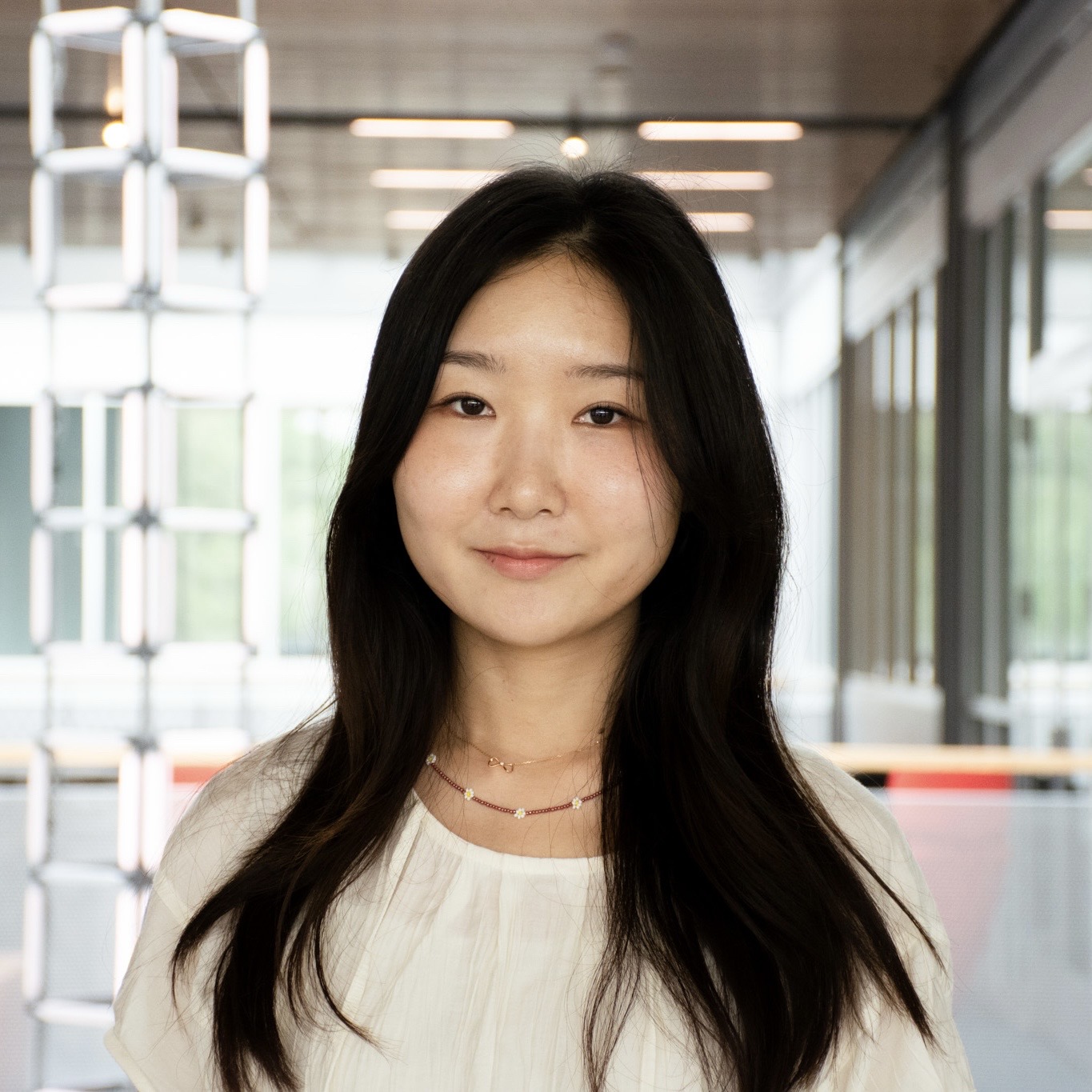
김문정
Munjung “moon-juhng,” rhymes with “sung”
Kim “keem”
Goes by MJ
Ph.D. Candidate in Data Science
School of Data Science
University of Virginia
I develop and analyze representation learning methods and apply them to large-scale science, technology, and policy data to study how scientific and technological advances shape society and how society, in turn, responds to them.
I am a Ph.D. candidate in Data Science at the University of Virginia, advised by Yong-Yeol Ahn. Before the Ph.D. program, I studied Physics at POSTECH in Korea.
Taught a tutorial, “Claude Code in Research for Beginners,” at SICSS Korea.
Gave a talk at NetSci 2026.
Served as a panelist at the National Academies of Sciences workshop on Disruptive Innovation in Washington, DC.
Our work on a robust measure of disruptiveness was published in Science Advances.
I build embedding-based measures of how research reshapes the knowledge it builds on, so that disruptive work can be identified without relying on fragile citation counts.
I link patent-level measures of disruption to the tasks that make up occupations, separating AI innovations that reinforce existing work structures from those that alter them.
Scientists shift their research interests and so move through the space of knowledge. Drawing on the boids model of collective animal behavior, I characterize these movements with simple rules — alignment, cohesion, and separation — and ask how they shape what gets discovered.